Korean higher education is entering a new stage. The question is no longer only how to attract international students, but how to educate them, support them, and connect them with real opportunities after graduation.
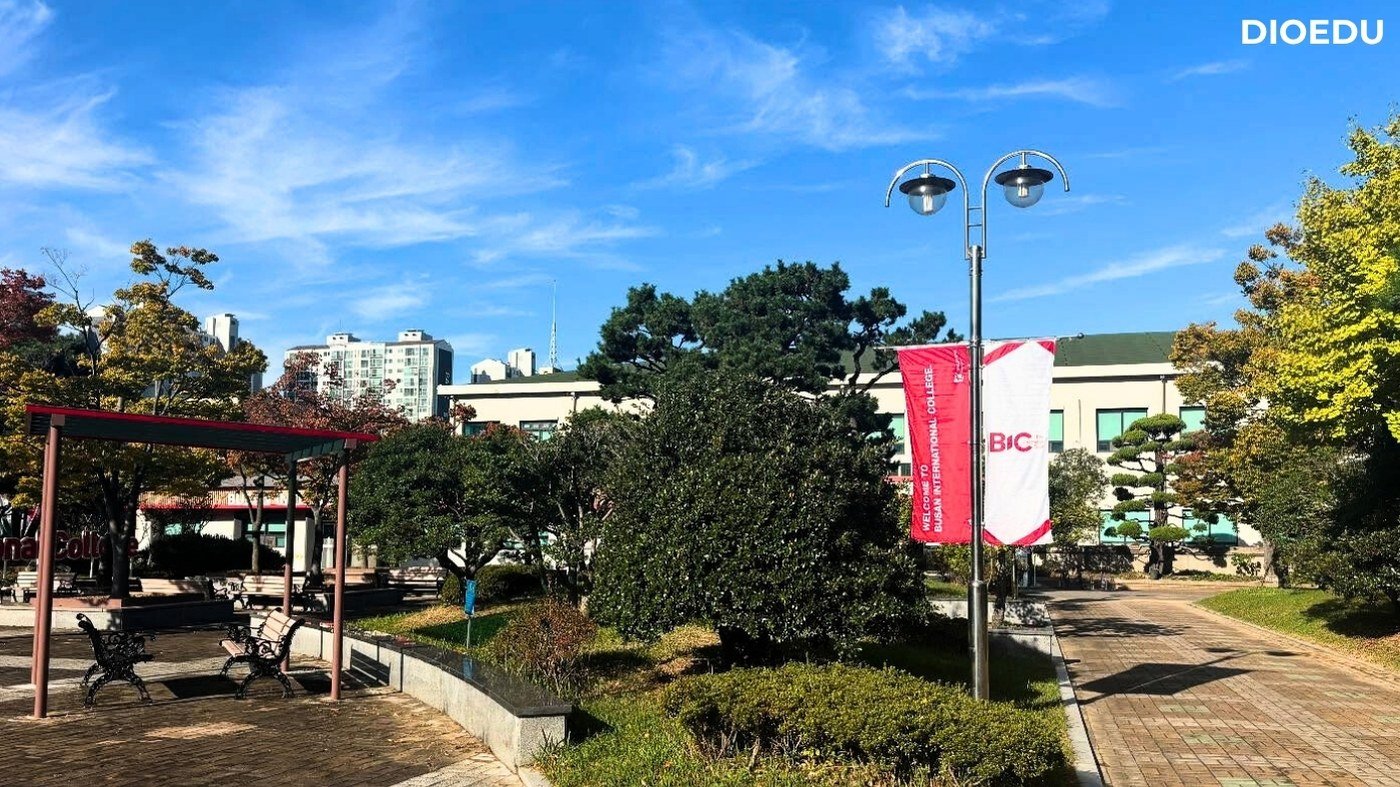
BUSAN INTERNATIONAL COLLEGE, known as BIC, offers one answer to this challenge. As an international college affiliated with Tongmyong University, BIC provides 100% English-taught programs designed primarily for international students. Its model combines practical education, student support, Korean language and culture learning, and career development connected to local industries.
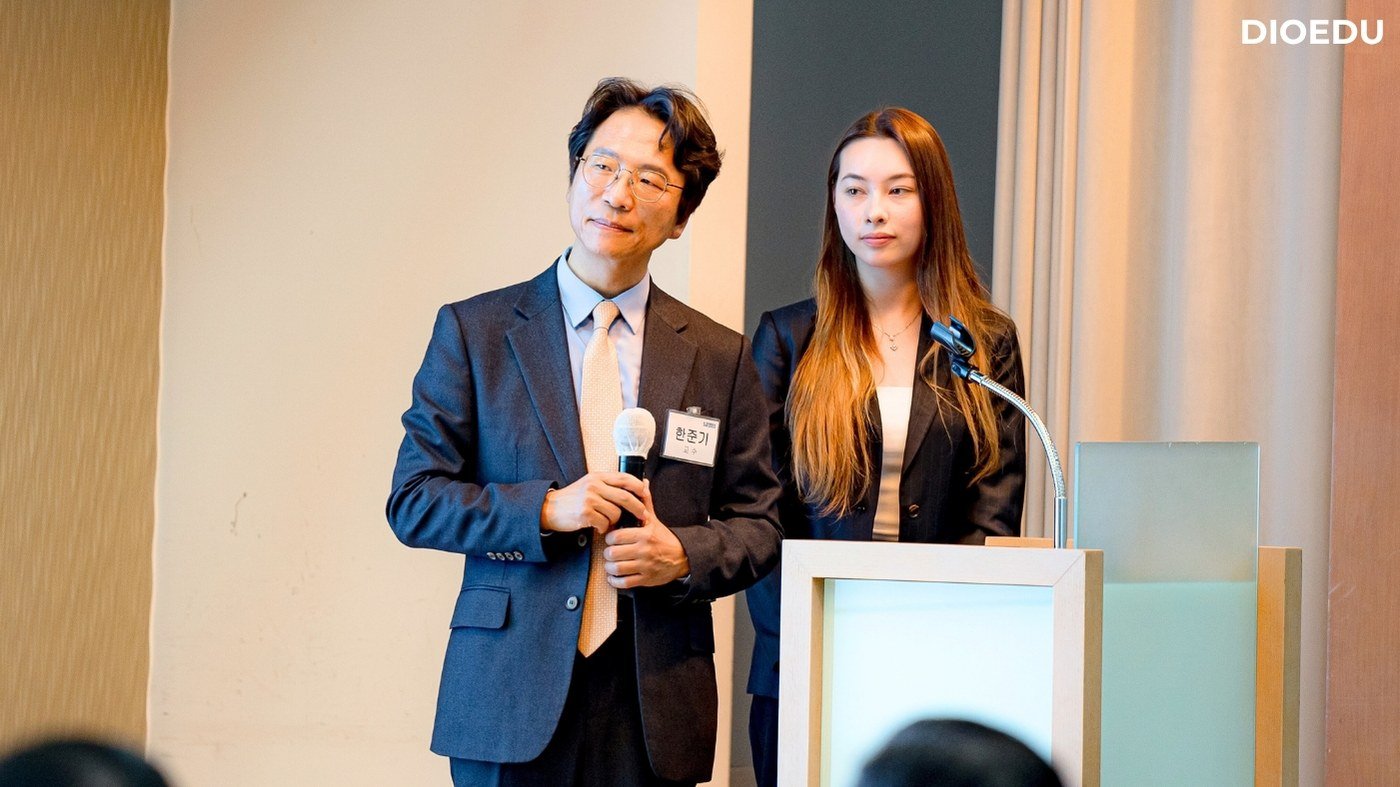
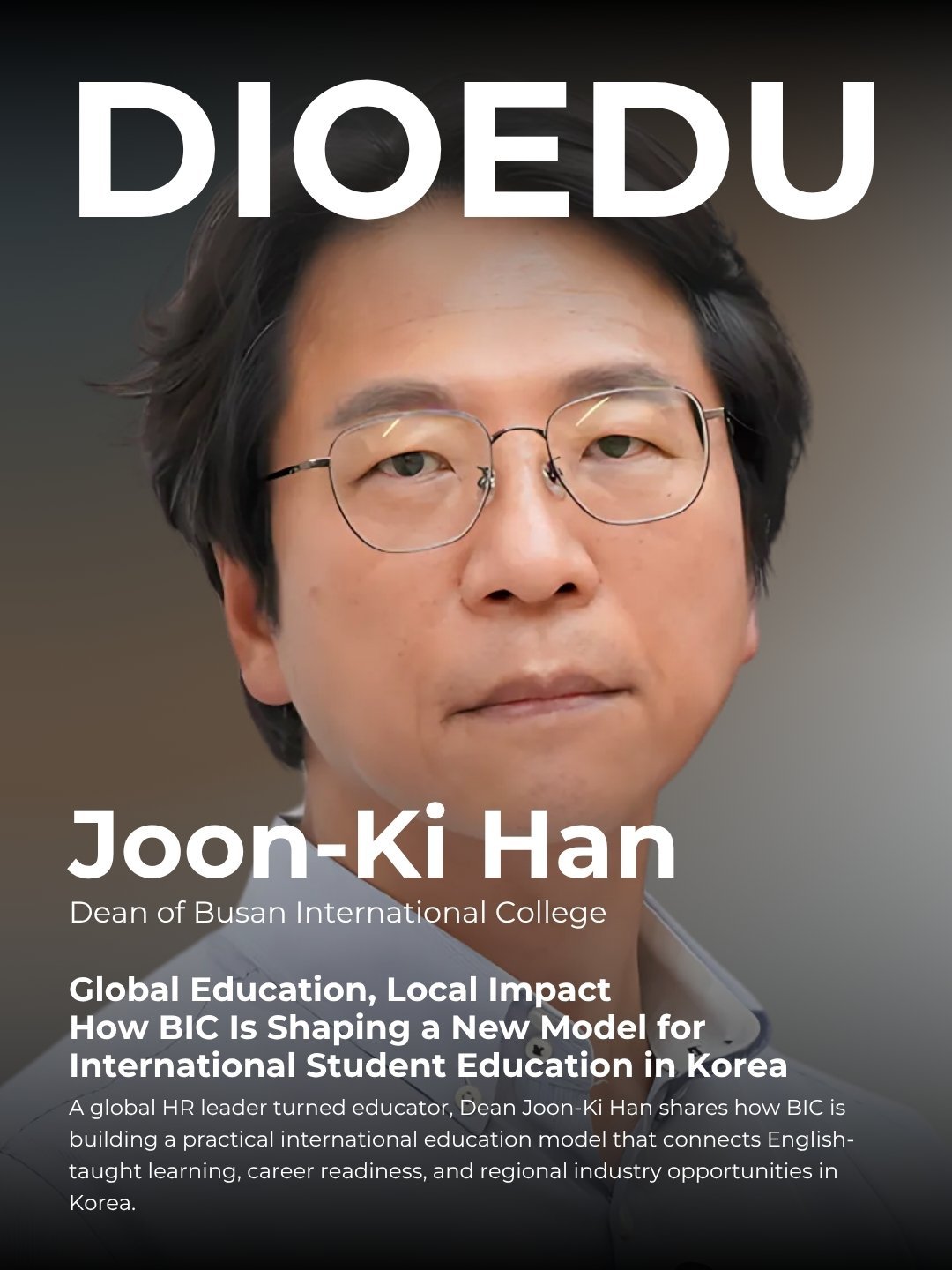
At the center of this vision is Dean Joon-Ki Han. Before entering higher education, Dean Han built an extensive career in global human resources, serving in senior HR roles at multinational companies including Microsoft, eBay, and Cigna. He also led career development at SolBridge International School of Business. Today, he brings this corporate and educational experience to BIC, where he is building a more practical and career-oriented model for international student education in Korea.
DIOEDU spoke with Dean Han about BIC’s educational direction, support system for international students, career readiness, and the future of global education in Korea.
What do you see as your most important role as Dean of BIC?
BIC began as a 100% English-taught college for international students, but our role must go beyond simply offering classes in English. We need to help students settle into campus life, adapt to Korean society, continue their studies successfully, and prepare for their careers after graduation.
For international students, academic support alone is not enough. They need guidance in daily life, cultural adaptation, language learning, career planning, and connection with companies. I believe BIC must become an institution that can support this entire journey in a structured and practical way.
How has your HR experience in global companies influenced your work in education?
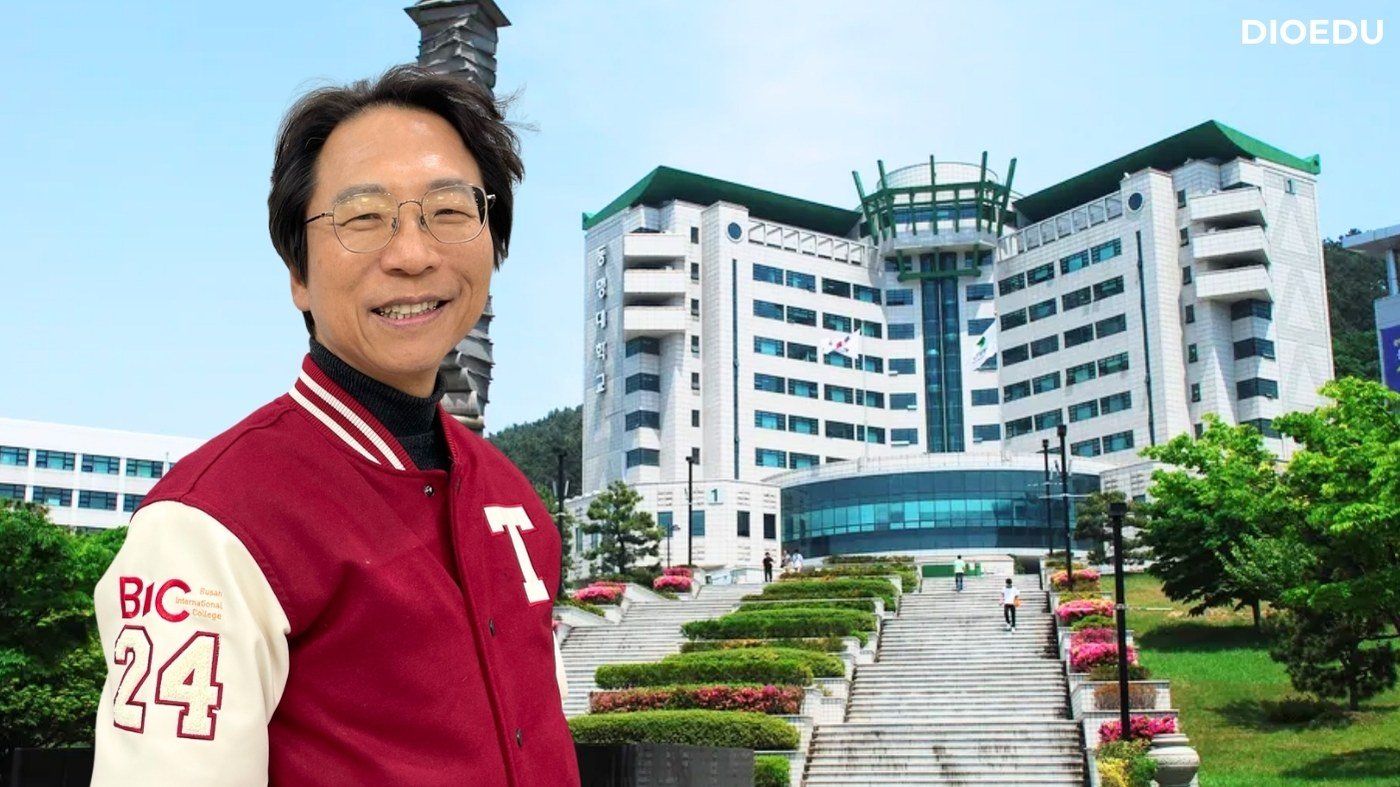
In the corporate world, especially in HR, the key question is how to connect individual growth with organizational needs. That question is also highly relevant in education. Universities educate students, but students eventually need to find their roles in society and in the labor market.
Educational institutions should not stop at delivering knowledge. They need to understand what kinds of skills industries and markets actually require. Students also need to develop not only academic knowledge, but also problem-solving ability, communication, collaboration, execution, and intercultural understanding.
I often tell students that understanding the market, developing their capabilities, and preparing for real-world expectations are no longer optional. They are essential.
What makes BIC different from other international education programs?
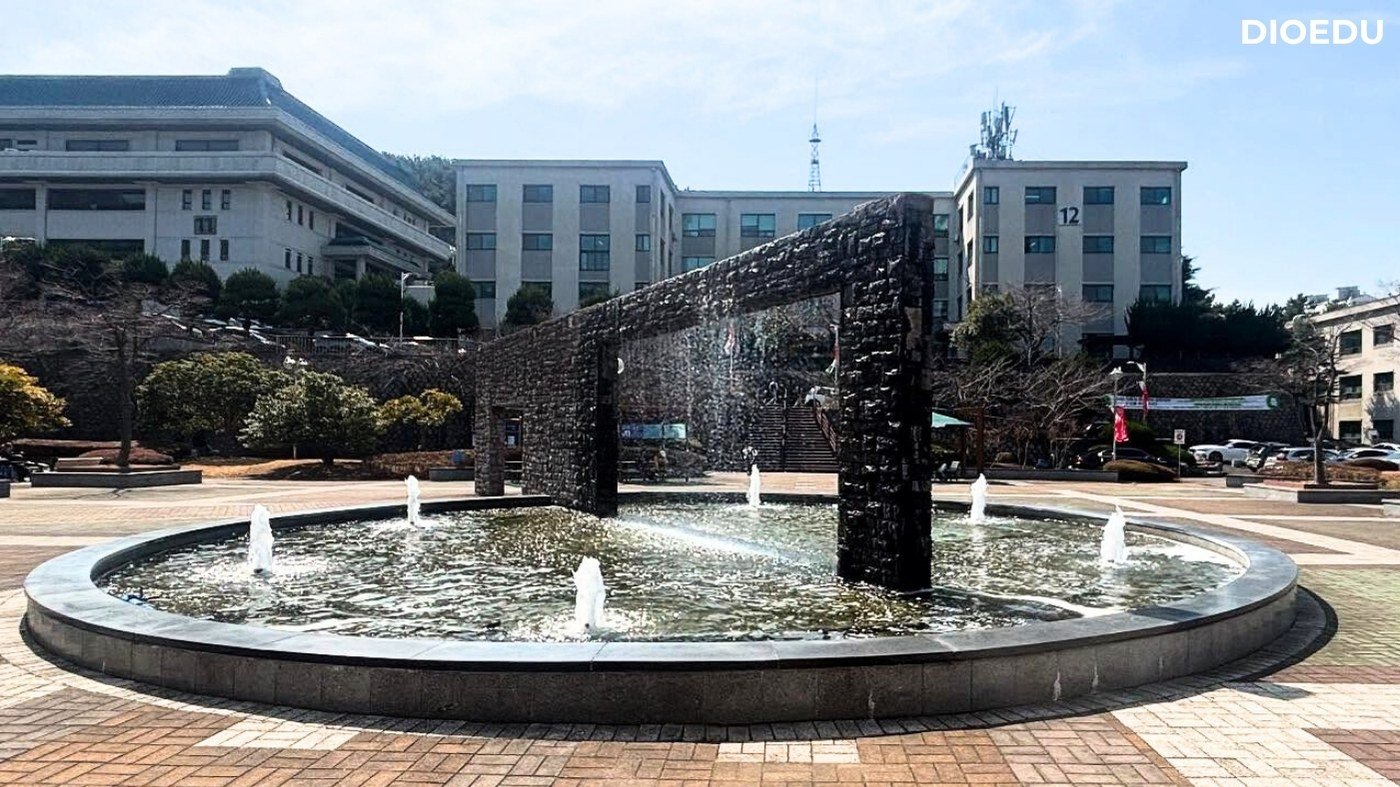
BIC’s strongest distinction is that it was designed from the beginning for international students. In many universities, foreign students are expected to adapt to a system built mainly for Korean students. BIC takes a different approach. Our curriculum, administration, student services, and career programs are all designed from the perspective of international students.
BIC is also not just about teaching in English. Our goal is to help students understand Korean society and industry, connect with local companies, and develop the practical competencies they need to build careers in Korea or in the global market.
Busan also gives BIC a meaningful advantage. The city has strong connections to ports, logistics, trade, tourism, and culture. Through this regional foundation, BIC can help international students understand both Korean local industries and global business opportunities.
How would you describe your educational philosophy?
I value pragmatism, execution-focused competency development, a growth mindset, respect for diversity, and storytelling.
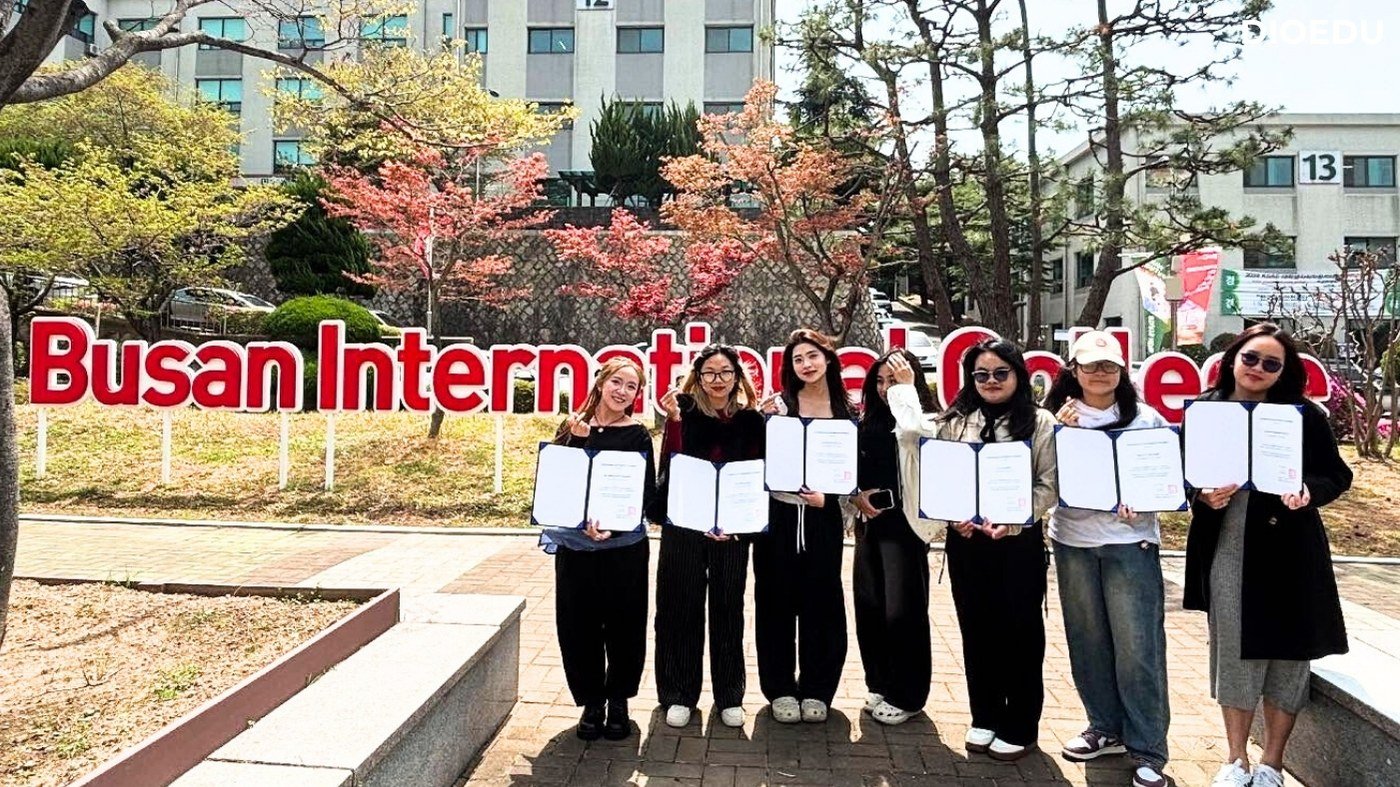
Students should not only learn theories. They should be able to apply what they learn to real problems. At the same time, each student has a different background, strength, and potential. Education should not force everyone into the same model of success. What matters is helping each student discover their own direction and build their own story.
BIC’s direction is closely aligned with this view. We emphasize a doer’s mindset, ownership, collaboration, creative thinking, the balance of data and storytelling, and a global perspective rooted in sustainability.
What is the main direction of BIC’s curriculum?
BIC focuses on three major academic areas: Management, Technology, and Content. All classes are conducted in English, and students can study fields such as global business, AI, information systems, technology management, culture and design management, and Korean studies.
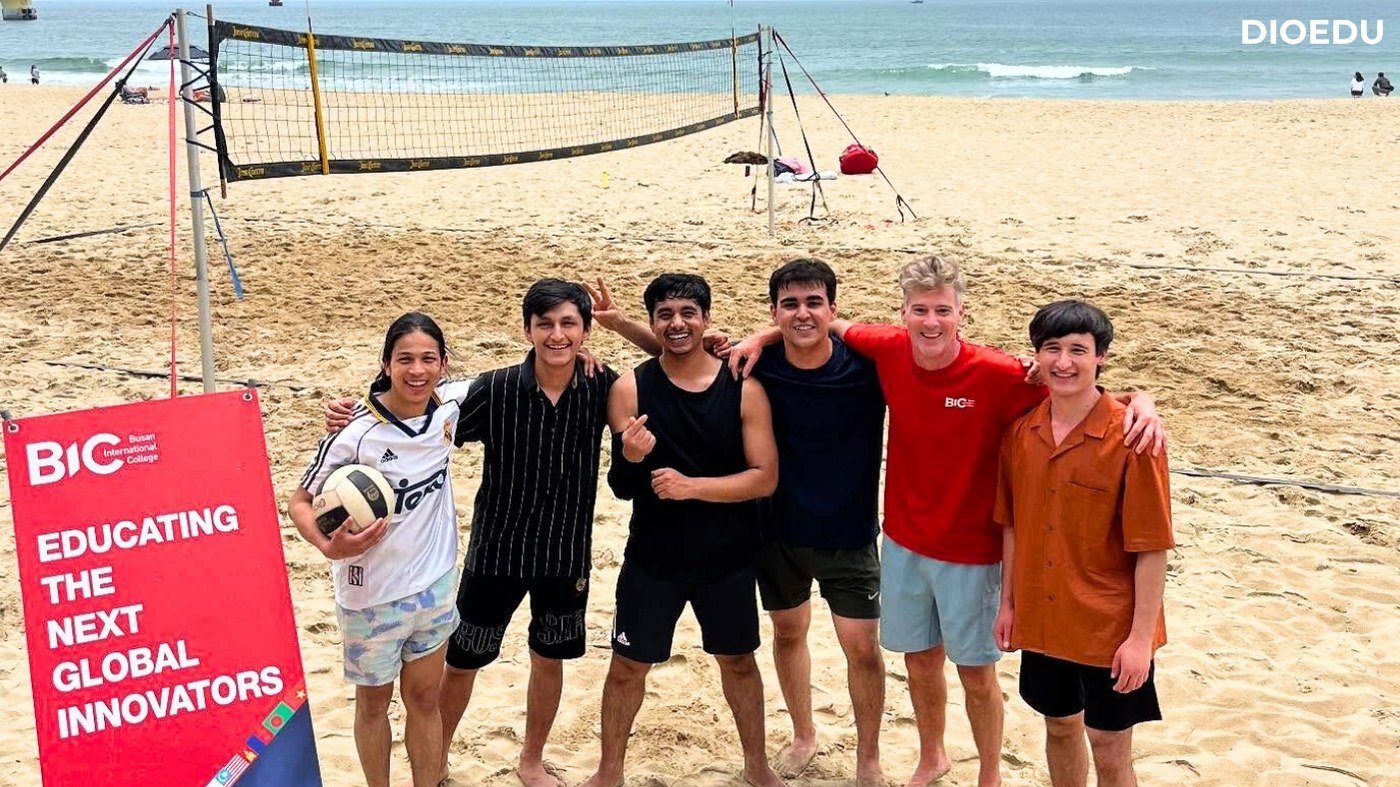
The important point is not only what students study, but how they study. BIC encourages discussion-based classes, presentations, team projects, problem-solving activities, and project-based learning. Students are exposed to real business cases, guest lectures from industry professionals, site visits, and capstone projects.
Korean language and culture education are also important parts of the student experience. Although major courses are taught in English, international students who want to live, work, and build their future in Korea need to understand the Korean language and society. BIC aims to combine English-based global education with practical preparation for life and career in Korea.
What kind of support is most important for helping international students find career opportunities in Korea?
The most important things are realistic information and consistent preparation. International students need to understand what Korean companies are looking for, how the recruitment process works, and how Korean workplace culture and communication styles operate.
Universities need to provide this information and create opportunities for students to meet companies. At the same time, students must also make their own effort to improve their Korean language skills, understand Korean culture, and build job-related competencies. Real outcomes require both institutional support and student commitment.
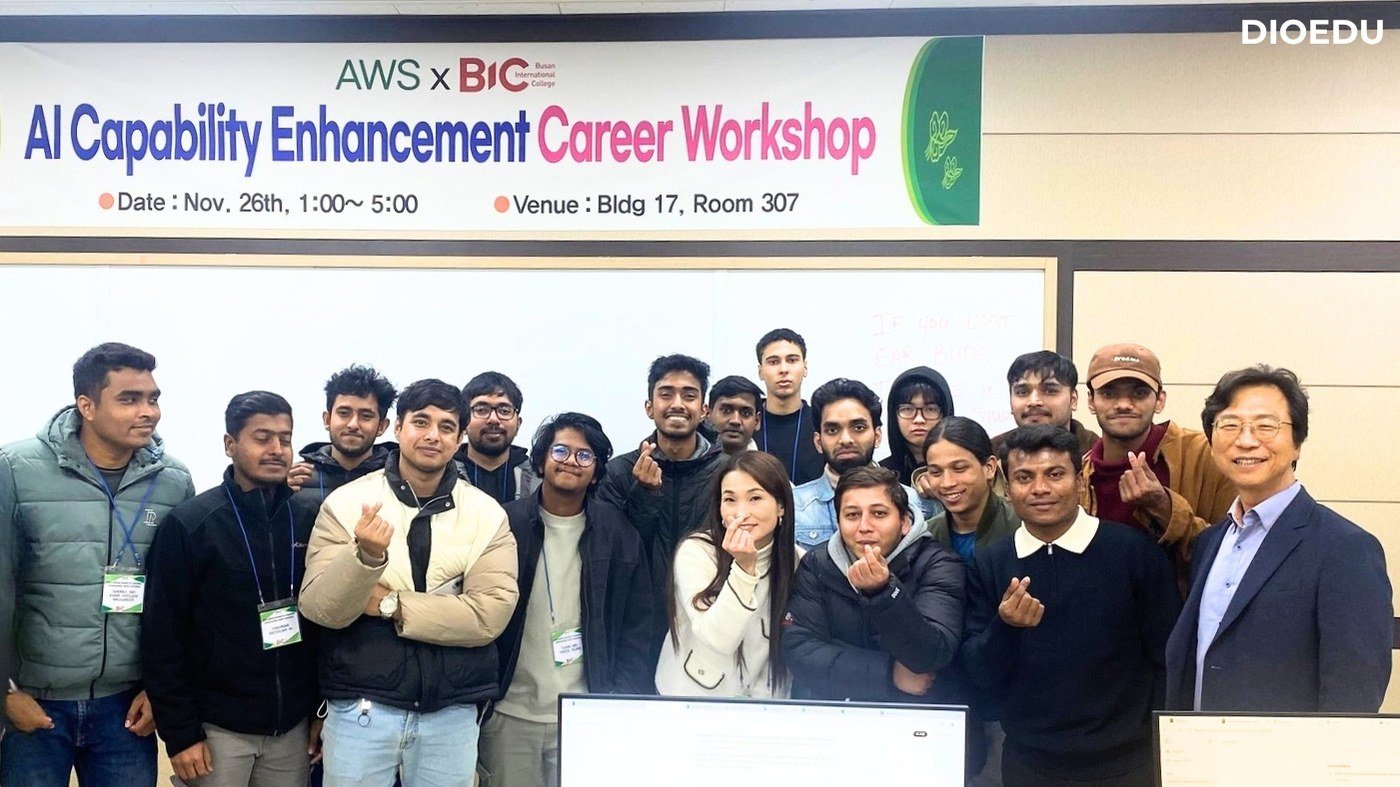
At BIC, we do not want students to feel that the school lacks a quality career support system. We are committed to providing useful information, helping students connect with companies, and offering personalized mentoring and coaching when students need specific guidance.
How can Busan’s regional identity connect with BIC’s global vision?
Korean higher education has long been concentrated around Seoul and the capital region. However, regional universities can also become important centers of global education. Busan has strong potential as an international city, and it has a clear industrial foundation.
BIC aims to become a model of global education rooted in Busan. If international students can study in Busan, connect with local industries, and grow into professionals who link Korea with the world, that creates value not only for the university but also for the local community.
If BIC can build a successful model, it may also offer meaningful lessons for the internationalization of regional universities in Korea.
What is BIC’s long-term direction?
BIC is still a young institution, but it has great potential. Moving forward, we need to build a stronger curriculum, a wider global network, and a more practical career support system.
Our direction is clear. We want international students to do more than earn a degree in Korea. We want them to develop real capabilities and contribute meaningfully to society and industry.
BIC is building an education model that combines global perspective with local action. We are not perfect yet, but we are moving forward step by step toward becoming a stronger and more impactful institution.
DIOEDU Closing Note
BIC’s case shows that Korean higher education needs to rethink how it approaches international students. The key issue is not only how many students a university recruits, but what kind of education, support, and career pathways it provides after students arrive.
Dean Joon-Ki Han’s vision for BIC is clear. Global education cannot be completed by English-taught courses alone. It must include student life, cultural adaptation, practical skills, career planning, and connection with local industries.
DIOEDU will continue to highlight how educational institutions in Korea and around the world are preparing students for real growth, global opportunity, and meaningful futures.